
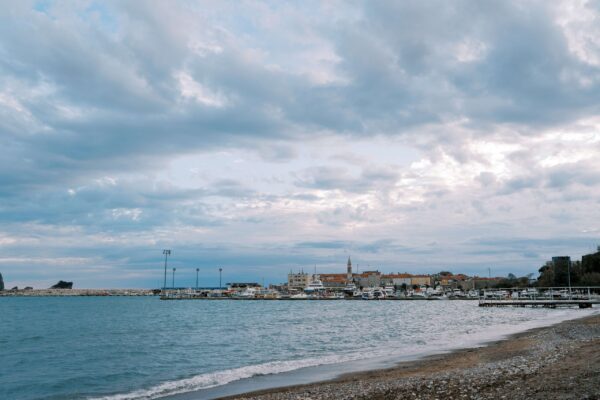
Alexandroupolis is a city of history, modernity, natural riches and maritime charm. It is located in north-eastern Greece and serves as a bridge between Europe and Asia. Thanks to its advantageous location, it is a meeting point for people, cultures and traditions. In this city, the ancient past blends harmoniously with the everyday life of modern Greece.
Visitors value Alexandroupolis for the multitude of things they can do there: boat excursions, visiting monuments, nature parks, tasting new foods, and the friendly and warm atmosphere created by the locals that they always mention.
Geographical location and historical background
Alexandroupolis is located on the northern coast of the Aegean Sea, at the crossroads of routes leading west and east. The city was named in 1920 in honour of the Greek king Alexander I, and since then has become a recognisable landmark on the map of Thrace.
Originally a small fishing village, it gradually grew into a dynamic city with a developed infrastructure. Its development went hand in hand with the expansion of trade and transport routes. This strengthened its importance as a centre uniting different countries and cultures.
Today, Alexandroupolis is perceived as a point on the route and a destination in its own right. Everyone will find something to their liking here: the tranquillity of nature trails and lively streets in the centre, the history of ancient eras, and cuisine shaped by the influence of many cultures.
The symbol of the city: the lighthouse and the coastal promenade
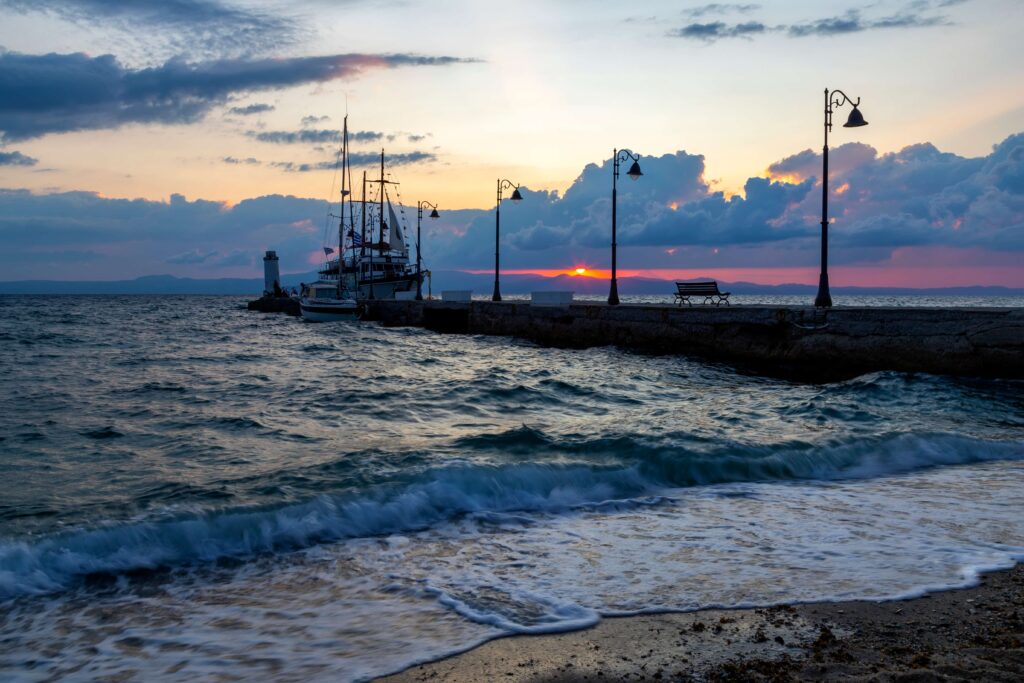
One of the most recognisable landmarks of Alexandroupolis is its lighthouse. Towering over the coast, it has served as a symbol of the city for many decades. It is a navigational aid and a place for leisurely walks, sea views and photographs.
The city’s waterfront is the perfect place for evening strolls: locals and visitors gather here to enjoy the cool sea air, live music, the aromas of freshly prepared dishes and the sound of the waves. Along the way, you will find cosy cafés, traditional tavernas, small shops and venues for seasonal events and festivals.
The historic buildings scattered throughout the city centre tell the story of the past: neoclassical architecture, old schools, former commercial premises and port warehouses. These sights make a walk around Alexandroupolis interesting and varied.
Beaches and sea
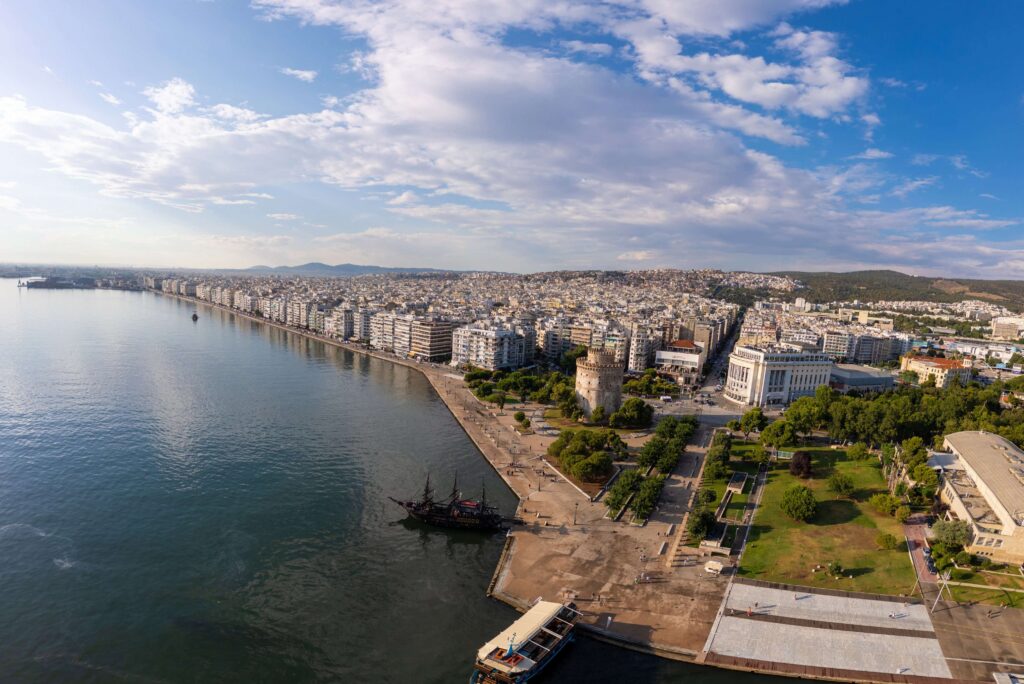
Those who come here for the sea will not be disappointed. The coastline stretches for more than 25 kilometres, and everyone will find a beach to their liking here. From lively areas with bars, sun loungers and tents to secluded stretches of coastline where you can spend time in a peaceful setting, away from the hustle and bustle of the city, every tourist can find something to suit them in this city.
Near the city, there are beaches with soft golden sand and clear sea water, which are especially appreciated by families with children thanks to their gentle entry into the sea. The coast is also suitable for active holidaymakers. Here you can find places for water sports, morning jogs and walks along the shore. Municipal Beach is one of the most popular beaches among locals and tourists. It is well equipped, has convenient access for people with disabilities, and regularly receives the Blue Flag award, confirming the high level of cleanliness, safety, and organisation of the beach infrastructure.
An additional advantage of Alexandroupolis’ beaches is their proximity to the city centre. Many of them are within walking distance, making it easy to combine a seaside holiday with walks along the promenade, visits to cafés and evening activities without wasting time on long journeys.
Culture, traditions and events
Thracian culture is evident in almost every corner of Alexandroupolis. Local festivals, folk celebrations and traditional events are held at different times of the year, introducing visitors to the customs and traditions of the region.
The Christmas season is celebrated brightly in winter, while at other times of the year there are carnival parades, rural festivals and musical events featuring traditional music, dancing, local dishes and treats.
Events of this kind generate a different environment where the blend of the past and the present is seen very clearly. If you go to the city during the festival days, you will be able to sense the vibe and the friendliness of the locals.
Gastronomic discoveries
The cuisine of Alexandroupolis reflects the rich history of the region and the influence of culinary traditions from different cultures. The dishes are based on fresh produce, meat, fish and seafood, as well as ingredients typical of Thrace.
The local food is delicious and deeply connected to everyday life. It is prepared in a way that emphasises the naturalness of the ingredients, seasonality and regional character. What to try in Alexandroupolis:
- traditional meat pies and homemade sausages;
- dishes made with fresh fish and seafood from the Aegean Sea;
- Goat and sheep milk products;
- High-quality olive oil grown on local plantations;
- Fruit and nut-based desserts, as well as a variety of spoon sweets.
After seeing this list, it becomes clear that gastronomy here is a way to satisfy your hunger and a path to understanding the cultural roots of the region, its history and the lifestyle of the local people.
What to see in the Alexandroupolis area
In addition to the city itself, there are many interesting places around it that are worth visiting. These include nature reserves, historical monuments and cultural sites. Many of these places can be visited on day trips, are easily accessible from the city centre, and each offers a unique experience.
Main points of interest:
- Evros Delta National Park – a large nature reserve with rich flora and fauna, ideal for ecotourism enthusiasts;
- Roman Baths of Traianopolis – a historic resort with thermal springs, known since the days of the Roman Empire;
- The Byzantine monastery of Panagia Kosmosoteira – a spiritual place with rich architecture and history;
- The cave church of St. Theodoros – a unique shrine hidden in a rock;
- The ancient city of Zoni – an archaeological complex with the ruins of an ancient settlement;
- Parts of the ancient Via Egnatia road, once used by trade caravans;
- The ancient olive groves of Makri, with trees that are several thousand years old;
- The cave of the cyclops Polyphemus – a mythical place associated with the legends of ancient Greek epic poetry.
Practical advice for travellers
Alexandroupolis is conveniently located for travellers. It is easy to reach by plane or by land. The city has its own airport with regular flights, as well as good transport links to other parts of Greece.
The city centre is compact and easy to walk around, but renting a car gives you additional opportunities to explore the surrounding area. This allows you to plan your route so that you can combine a beach holiday with visits to nature parks and historical sites.
In the warmer months, visiting the coast, nature trails and local taverns creates a feeling of complete immersion in the atmosphere of the region. In winter, the city does not lose its charm. Here you can enjoy walks without the scorching heat and get to know the cultural life of the local communities. Don’t miss the opportunity to enjoy the city!
Comments are closed