
When it comes to Greece, many people imagine Santorini with its whitewashed houses and the Acropolis palaces in Athens. But there is an island that rarely appears in tourist guidebooks, although in terms of beauty, culture and atmosphere, it is in no way inferior to the most famous resorts. This is Skiaros, an island where the air seems cleaner and the days pass more slowly, as if the clocks themselves slow down to give everyone the opportunity to enjoy the moment.
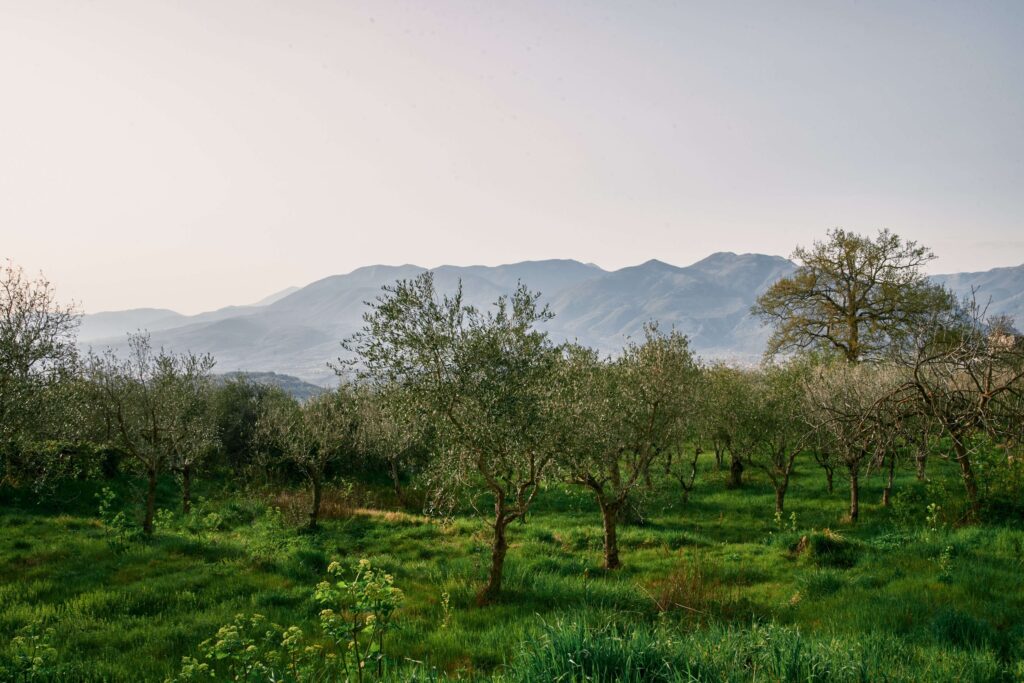
Skiathos is located in the Northern Sporades archipelago, not far from the coast of Greece. Despite its location among several more famous neighbours, it has retained its special character. Here you will not find miles of beaches lined with sun loungers and loud music. Instead, there are mountains, olive groves, chalk cliffs, cosy bays and small villages where life flows at its own, slightly more ancient pace.
First encounter with the island: nature and atmosphere
When you land on Skiathos for the first time, you feel your mood change. The silence seems dense and rich, as if nature itself is inviting you to pause. The island is covered with mountain ranges, its landscape resembling a mixture of rocky slopes and gentle hills where olive trees and low shrubs grow.
Your first steps on the local roads are particularly memorable: they are narrow, winding, bending around hills and abruptly ending with a view of deep bays. Tiny beaches appear on the horizon, which you can walk down to if you catch a moment between two walks around the village.
For those looking for a more active holiday, Skiaros offers trekking along mountain trails. Here you can encounter rare birds, watch the sea waves from the cliffs and watch the sunrise when the first rays of the sun cast a pink light on the rocks. This feeling of extraordinary closeness to nature is rare among popular resorts, which are often noisy and crowded.
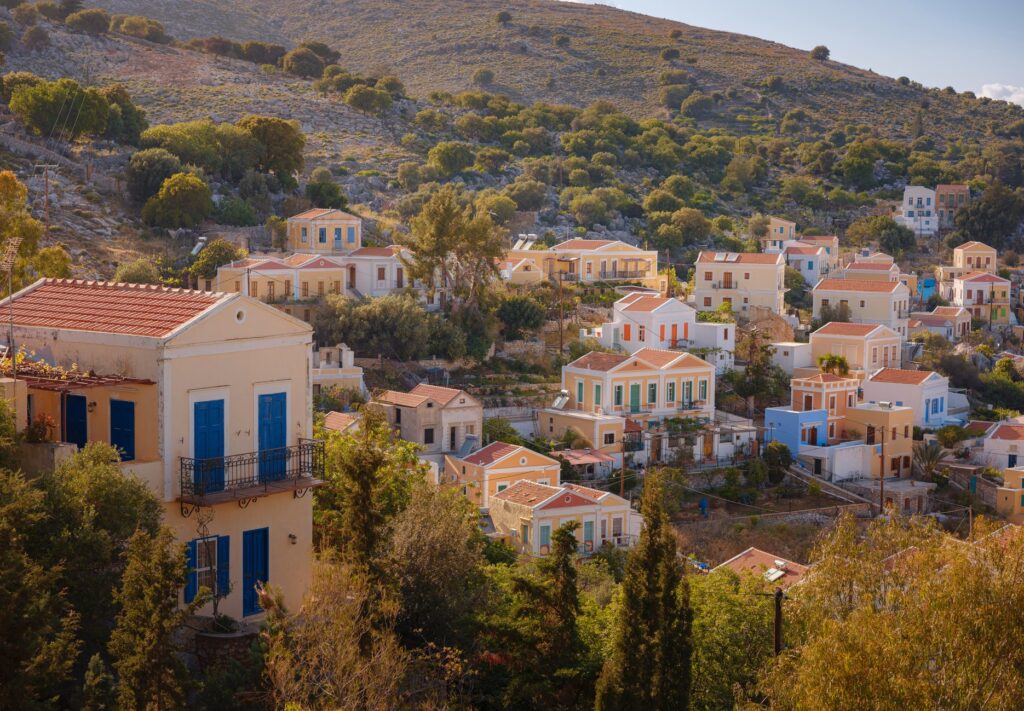
August evenings on the island have their own special scent: the aroma of fresh, warm earth mixed with the smell of pine needles, sea air and freshly cut hay. In the distance, you can see the white roofs of houses standing alone on the hills, and it seems that everything here bears the mark of centuries-old traditions.
Life on the island: people, traditions, crafts
Skiaros is a lively island where people still adhere to ancient traditions, work the land, practise crafts and welcome guests as they did many generations ago. One of the distinctive features of the local culture is traditional crafts, which are preserved and developed thanks to the efforts of old-timers and young masters. In the markets of Skiaros, you can find ceramics, woven goods, jewellery made in the style characteristic of the island, and olive oil made with love and respect for the land.
Here, you can still see artisans working in the same way as their ancestors: by hand, without haste, with deep respect for the material. Particularly noteworthy are the clay works decorated with symbols rooted in ancient Greek myths. These items are functional. They are used for their intended purpose at home and served to tourists at the table, creating an amazing circle of cultural exchange.
Another component of life in Skiaros is the traditional music and dance customs that have accompanied all the islanders’ celebrations for centuries. Here you can come across an evening where locals gather around a bonfire, sing songs, dance and talk about the past, present and future of their families and their island. These evenings happen when people feel that it is time to get together again.
History of the island: from ancient times to the present day
The history of Skiathos goes back centuries, and each generation has left its mark on it. Archaeological finds show that people lived here as early as the Bronze Age. The ruins of ancient temples, the remains of fortification walls and fragments of pottery all indicate that the island was an important point on the trade routes connecting mainland Greece with more distant lands.
The next major historical event took place during the Classical Greek period, when Skiathos became part of the Greek cultural and political system. During this time, crafts and maritime trade developed on the island, and the first communal organisations were formed, which later influenced social institutions in the region.
The Middle Ages brought new challenges: migrating empires, struggles for power, invasions and the Ottomans. In each period, the history of Skiaros absorbed elements of different cultures while retaining its uniqueness. This multi-layered nature makes the island so interesting to study today. Traces of Greek myths, Byzantine influences and folk legends, passed down from older to younger generations over the years, are intertwined here.
Local dishes and cuisine
When it comes to travelling to a Greek island, it is difficult to ignore the cuisine. Skiathos has many traditional dishes that reflect the richness and diversity of local produce. Olive oil, fresh fish, olives, herbs, vegetables and wines form the basis of everyday meals.
One of the characteristic local dishes is baked fish with olive oil and lemon, served with a side dish of seasonal vegetables. It is prepared in such a way that the meat remains soft and juicy, and the aroma of herbs emphasises the taste of the sea. Other popular dishes include lamb stew with vegetables, pies with herbs and cheese, and a variety of meze, which are served in small portions so that you can try several flavours at once.
Sweet pastries, often made with honey and nuts, occupy a special place. These desserts are served at the end of the meal or with a cup of strong Greek coffee. The wines on the island are light and fruity, pairing perfectly with dishes made from fresh produce.
Conclusion
Skiaros is an island that, bit by bit, captures your heart. The combination of its remote bays, mountain paths, artisan studios, traditions and friendly locals gives you the impression it is not just a place to rest, but even to really live again for a few days.
This small island is a secret to most of the people, however, those who desire silence, nature and a cultural connection would feel it as a true discovery. The old times and the new ones are fused together here, and each moment is a call to stop and enjoy the world without rush.
Comments are closed