
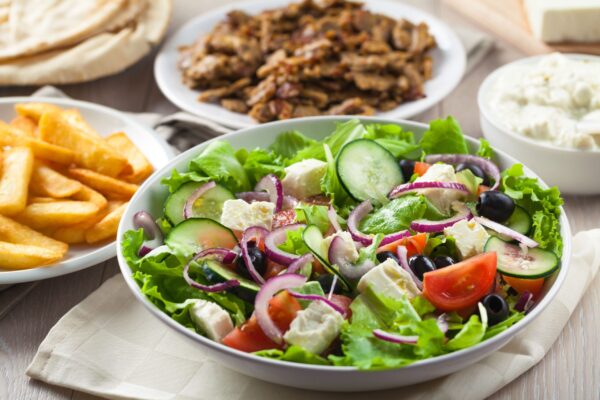
True Greek food is not about fast food or complicated plating found at fancy restaurants trying too hard to impress. It is a very simple thing. When ingredients are in the ground for three hundred days of the year, getting plenty of sunlight and rich soil, there is no need to use fancy sauces or complicated kitchen tricks to make them look good. The best approach is simple: avoid adding your own flavour and let the natural taste of the food speak for itself.
The region’s real magic comes from the fresh, simple ingredients that locals use every day in their kitchens.
The Natural Miracles: Saffron and Mastic
Some places have climates that are impossible to recreate, no matter how much money you have. Take the island of Chios, where the mastic tree only grows on the southern coast. If you try to plant it anywhere else, even on the north side of the same island, you’ll only get ordinary, unaromatic sap. Chewing this raw, clear resin releases a piney, slightly bitter flavour like a forest. Hippocrates praised its ability to soothe stomach aches, and modern science has since proven that this is true. Today, locals use this raw sap in baking or make a sweet, herbal mastic liquor that helps with digestion after a big meal.
In the north of Kozani, there are hills where a rare type of crocus flower grows. This is used to make saffron, which is considered to be the best in the world. This is all done by hand, with no factory machines. Every autumn, families gather to separate the tiny red threads from the purple petals; it takes about 50,000 of these strands just to fill a small 100-gram package. The result is a very strong spice that goes well with seafood, rice, or lamb stews. It costs a lot, but it’s worth it because so much human labour goes into making it.
Liquid Gold and the Truth About Feta
In Greek cuisine, olive oil is used just as much as water because it is an essential ingredient in every meal. Authentic Greek extra virgin olive oil is always green. It has a peppery flavour and can feel a bit hot when you put it in your mouth. The burning feeling is a sign of freshness because the oil is rich in antioxidants. If the olive oil doesn’t make you cough, it’s probably spoiled.
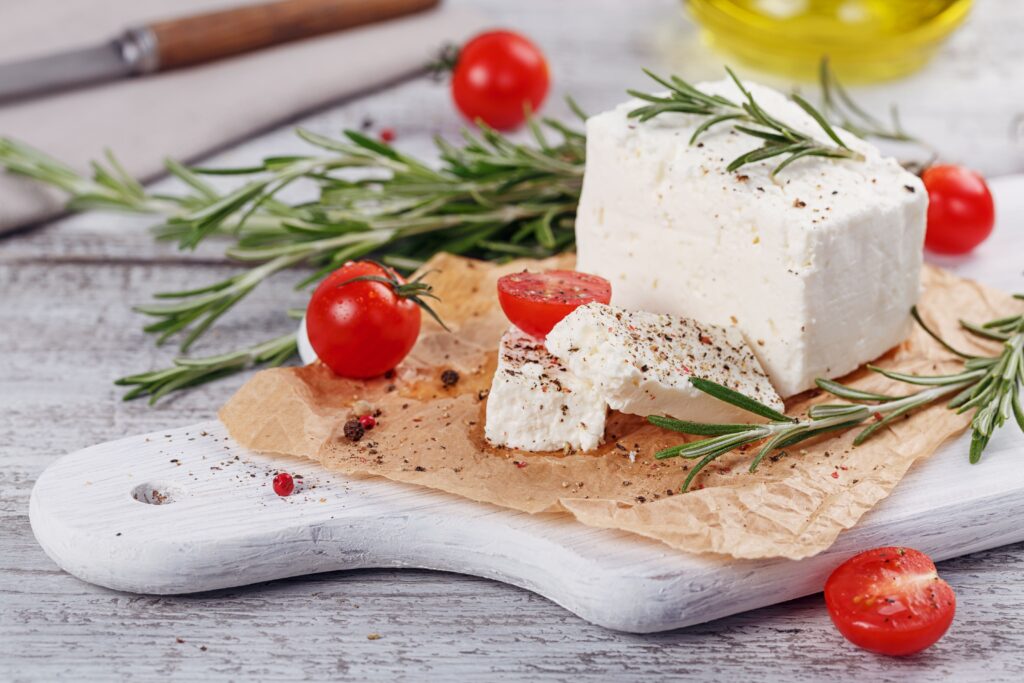
The world food industry has ruined the reputation of the word “feta” by using it to describe cow’s milk blocks from abroad. The brand “Genuine Greek feta” is well-known and made using mainly sheep and goat’s milk, soaked in brine. This type of cheese should be sharp, crumbly and smooth all at the same time. It is strong enough to balance out the oiliness of its natural habitat.
But it would be wrong to think of feta as the only Greek cheese. The other cheeses from different parts of Greece are just as good. All of these ingredients are very important in local cuisine:
- Graviera: This is a hard, slightly sweet cheese that is similar to a Mediterranean Swiss cheese. When you fry it in a pan, it makes an amazing crispy crust.
- Metsovone: This strong, hard cheese is made in the northern mountains and is smoked over wood fires. It tastes like a cosy campfire and rich cream.
- Kaseri and Kefalotiri: Sharp, salty types that taste great when cooked at high temperatures or when grated over fresh, bitter mountain greens.
The Real Story of Greek Wine
Wine production first started in Greece, but for many years the whole industry suffered because of war and the environment. For many years, travellers only knew of Greece as a place where they could buy cheap Retsina, which is a wine produced by adding pine resin to white wine.
Luckily, this isn’t true now. Now, Greek wine producers are making wine from types of grapes that are new to Western countries.
If you want to try some local wine, don’t expect to find the usual types like Merlot or Chardonnay. The secret is to find unique names. The top-notch designation is called AOSQ (Superior Quality). This is for dry wines made by the best producers. It includes full-bodied, strong red wines produced in Naoussa, a region located in the north of the country, or light and very dry white wines from the volcanic island of Santorini, which are slightly salty.
Spoon Sweets, Ouzo, and Local Liquors
Hospitality in Greece follows ancient traditions. When you go into one of these houses, you will find a glass of water and a spoon of sweet things ready on the table.

This tradition was started to deal with the problem of having too much fruit at certain times of the year. Before we had fridges, people would store cherries, figs and apricots in sugar syrup. What makes the fruit special is that it is kept intact and shiny, not mashed up. Sometimes even small green walnuts or aubergines are stored like this. It is always served in a small spoonful because it is very sweet.
When it comes to alcohol, ouzo is a good choice.
There’s a common misconception among tourists about ouzo. They think it’s the same as cheap party drinks, but it’s best not to drink ouzo too quickly. But it is a type of drink that is meant to be savoured slowly before a meal. It is made using aniseed, so it has a licorice taste.
Patience is Key
All these traditional foods have one thing in common: they take time to make. You can’t rush patience when you’re picking 50,000 flower strands by hand. You can’t make a mastic tree weep more quickly than it wants to in order to meet a deadline, or make olive oil extracted from olive trees hundreds of years old taste good by cheating.
If you want to try real Greek food, don’t go to the big hotels where you can eat as much as you like. Instead, it’s better to look for small, dusty grocery shops in villages, or names of regions on wine bottles, or roadside hives placed among wild thyme bushes.
Comments are closed